

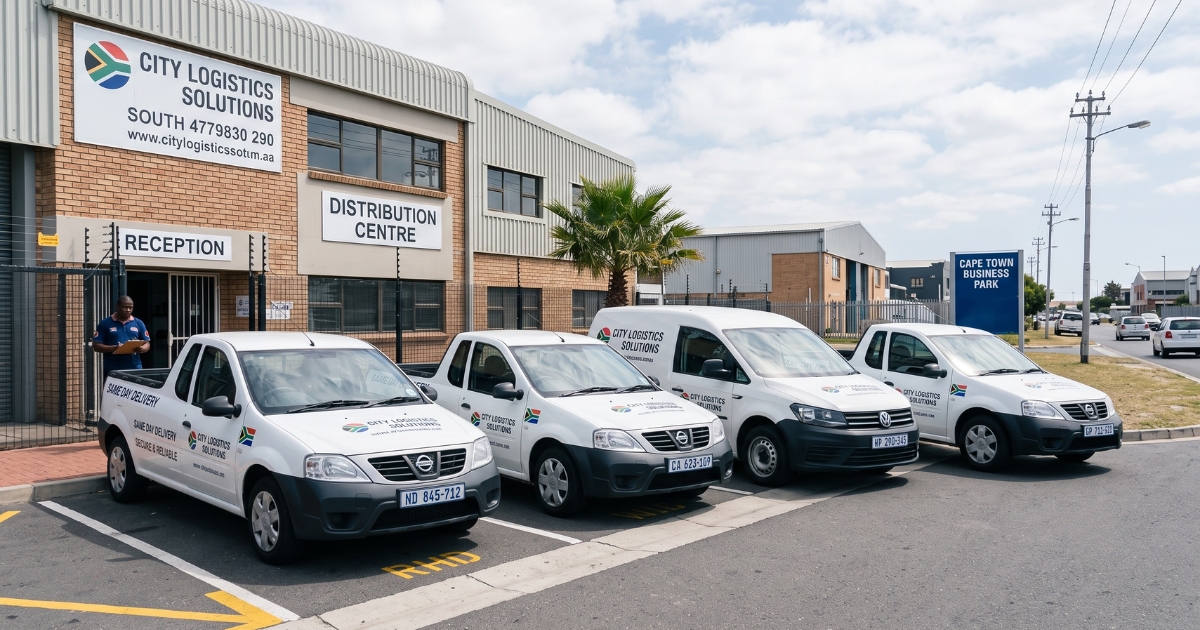
Once a business runs more than one or two vehicles, the individual policies kinda start to make real admin drag. Like, different renewal dates, different excess structures, and then paperwork for every single vehicle. You end up dealing with it all at once. Business fleet insurance solves this by bringing every company vehicle under a single contract, with one renewal date and one set of terms to manage.
This guide covers what business fleet insurance actually includes, how any-driver cover works, which vehicles qualify, what it costs, and how to put a policy in place.
Running multiple company vehicles?
Get a fleet insurance quote and bring your whole fleet under one policy.
What Is Business Fleet Insurance?
Business fleet insurance is a commercial motor insurance policy that covers two or more business-owned vehicles under a single contract. It is distinct from both personal car insurance, which excludes business use entirely, and commercial vehicle cover for a single vehicle, which works fine for one or two cars but does not offer the structural benefits of a fleet policy.
Fleet insurance is designed for businesses that rely on vehicles as part of their day-to-day operations. Its main practical benefit is administrative simplification: instead of juggling multiple individual policies with different renewal dates and insurers, a fleet policy replaces all of that with a single renewal date, a single premium structure, and one insurer relationship covering the entire vehicle schedule.
What Business Fleet Insurance Covers
A typical business fleet policy includes:
- Comprehensive cover for each vehicle. Collision, theft, hijacking, fire, and weather damage are applied individually across the fleet.
- Third-party liability. Covers damage or injury to others caused by any vehicle in the fleet.
- Any driver cover. Any authorised employee with a valid licence can drive any vehicle in the fleet.
- Personal accident cover. Covers drivers in the event of injury while operating an insured vehicle.
- Goods in transit. An optional add-on for businesses that carry cargo or stock as part of their operations.
- Business interruption. Covers lost revenue while a vehicle is off the road for repairs.
What is excluded: mechanical breakdown plus regular wear and tear, overloading beyond the vehicle’s rated capacity, unlicensed drivers driving the insured vehicle, vehicles used outside the agreed business purpose, and wilful damage that was caused by the driver. These exclusions are quite standard across South African fleet policies, but you should always confirm the exact wording with your insurer.
Any-Driver Cover Explained
Any-driver cover is one of the most commercially valuable features of a fleet policy. Rather than listing named drivers for each vehicle, any authorised employee can operate any vehicle in the fleet under a single policy. This removes a real administrative burden for businesses that have drivers rotate between vehicles or work on shift-based schedules.
It is worth noting that some insurers apply age restrictions or minimum licence experience requirements under any-driver provisions, even though the cover itself is broad. These conditions should always be checked in the specific policy wording rather than assumed, since they can affect whether a particular employee is actually covered to drive.
Want to see exactly what your fleet qualifies for?
See what your fleet can be covered for with a breakdown tailored to your vehicles.
Vehicles That Qualify for Business Fleet Insurance
Fleet policies typically cover a broad mix of vehicle types, such as:
- Passenger vehicles: sedans, bakkies, and SUVs
- Light commercial vehicles: panel vans and delivery vehicles
- Trucks and heavy commercial vehicles are often underwritten separately
- Buses and minibuses
- Motorcycles, on some policies
Not all insurers cover mixed fleets, meaning light and heavy vehicles together, under a single policy. If your fleet includes both categories, confirm directly with the insurer whether a combined policy is available or whether you will need separate policies for light and heavy vehicles.
Vehicles That Qualify for Business Fleet Insurance
Fleet policies typically cover a broad mix of vehicle types, such as:
- Passenger vehicles: sedans, bakkies, and SUVs
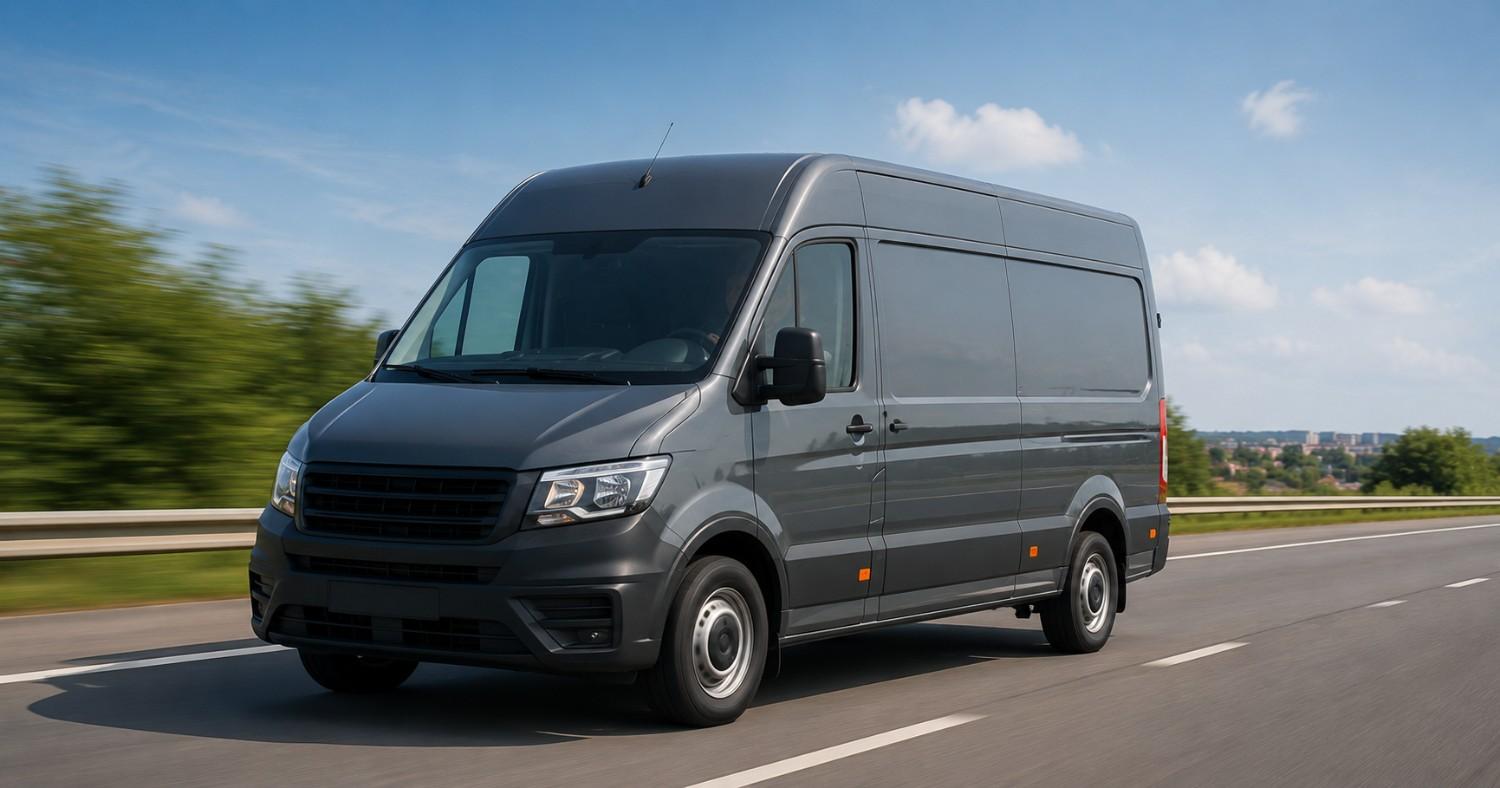
- Light commercial vehicles: panel vans and delivery vehicles
- Trucks and heavy commercial vehicles are often underwritten separately
- Buses and minibuses
- Motorcycles, on some policies
Not all insurers cover mixed fleets, meaning light and heavy vehicles together, under a single policy. If your fleet includes both categories, confirm directly with the insurer whether a combined policy is available or whether you will need separate policies for light and heavy vehicles.
Business Fleet Insurance Cost Factors
Fleet premiums are almost always individually underwritten rather than priced from a standard table rate. The following factors consistently shape the price:
- Number of vehicles in the fleet
- Vehicle make and value
- Driver age profiles and licence history
- Area of operation
- Overnight storage security
- Claims history
- Type of business use
Because of this individual underwriting approach, getting a quote with accurate fleet information is the most reliable way to determine your actual cost. Request a fleet quote based on your real vehicle schedule rather than estimating from a generic figure.
Industries Where Fleet Insurance Is Essential
Fleet insurance is pretty common, especially in industries where vehicles are sort of the whole daily grind for people, such as:
- Logistics, courier, and last-mile delivery companies
- Construction and engineering contractors
- Mining and resources sector
- Retail and FMCG distribution
- Healthcare and pharmaceutical transport
- Government and municipal services
How to Get Business Fleet Insurance in South Africa
- Compile a vehicle schedule. This includes make, model, year, registration, and current value for each vehicle.
- List all drivers. Names, licence classes, years licensed, and any recent claims or endorsements.
- Specify your business use type. Courier work, staff transport, site access, or client visits, for example.
- Confirm your overnight storage arrangements. Insurers factor this into the risk assessment for the whole fleet.
- Compare fleet insurance quotes. Use a platform such as getbusinessinsurance.co.za to compare options from South African commercial insurers.
- Review the any-driver conditions and exclusions. Check the claims process carefully before accepting a policy.
Have your vehicle schedule ready?
Compare fleet insurance quotes today and start protecting your fleet.
Frequently Asked Questions
What is the minimum number of vehicles needed for fleet insurance in South Africa?
Business fleet insurance usually covers two vehicles upward, but a few insurers set the bar at three or more. Requirements differ by insurer and by vehicle type, so it is worth checking directly if your fleet sits right at the lower end of that range.
Does business fleet insurance cover personal use of company vehicles?
This depends on the specific policy. Some fleet policies extend cover to limited personal use of company vehicles, while others restrict cover strictly to business purposes. Vehicles used outside the agreed business purpose are typically excluded, so confirm this directly if employees ever use fleet vehicles outside of work.
Can I add vehicles to my fleet policy during the year?
Yes, in most cases. Fleet policies are generally designed to accommodate a growing or changing vehicle schedule, and most insurers allow vehicles to be added or removed during the policy period, usually with an adjusted premium reflecting the change. Confirm the specific process with your insurer when you take out the policy.
Does fleet insurance cover goods being transported in the vehicles?
Not automatically. Standard fleet insurance focuses on the vehicles themselves and third-party liability. Cover for cargo or stock being transported is usually arranged as a goods in transit add-on, which businesses that move stock or equipment between locations should specifically request.
Is it cheaper to insure vehicles individually or as a fleet?
Most of the time, fleet insurance ends up cheaper per vehicle once a business has three or more vehicles, because insurers tend to spread the risk across the group, not really underwriting each individual vehicle separately. If it’s only one or two vehicles, then the standalone commercial vehicle insurance often feels more practical, and it can end up being priced the same or even a bit cheaper.
Last reviewed: June 2026. This guide is reviewed periodically to reflect current South African insurance regulation and commercial vehicle requirements under the National Road Traffic Act. Insurance in South Africa is regulated by the Financial Sector Conduct Authority (FSCA) under the Insurance Act 18 of 2017.
This article is part of our complete fleet insurance guide. For more on our full range of business cover, visit our business insurance guide. To learn more about who we are, visit our About page, or read our Privacy Policy for details on how your information is handled when you request a quote.




0 Comments