

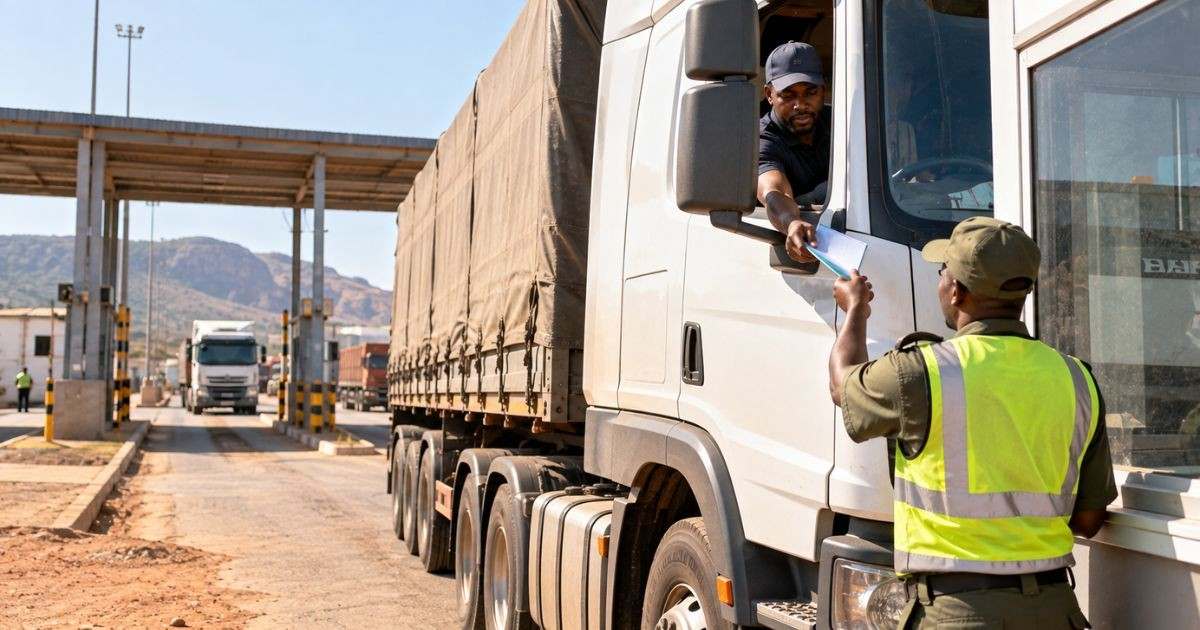
Public liability insurance for contractors is no longer an option but rather a necessity, considering that most principal contractors, clients, and tenders will not provide access to the premises if there is no evidence of Public Liability Insurance. This document explains why this type of insurance is so important for contractors, what it consists of, what it entails, how much it usually costs, and how you can obtain your certificate fast.
Why Contractors Face Significant Public Liability Exposure
A contractor or a tradesperson will be operating in an environment which he does not control. He will be working on premises which include his clients’ homes, commercial premises, and construction sites. Every day of his work will result in some exposure to third-party claims in respect of property damage or injury claims. The claims could arise against a contractor in relation to damage to his clients’ property, damage or injury to a third person and even damage to other people’s property which is situated close to the location where he is carrying out the work.
In comparison to the business carried out in offices, where the only risk of liability would arise when a visitor slips on the premises, a contractor will always be creating physical risk for himself every working day.
Get a contractor PL insurance quote
before your next site access requirement catches you without cover.
Is Public Liability Insurance Compulsory for Contractors?
Not universally compulsory by a single South African statute, but effectively mandatory in practice:
- Principal contractors and main contractors: almost universally require proof of PL cover from subcontractors before allowing them on site. A subcontractor without a valid PL certificate will typically not be permitted to work at all.
- Government tenders and public sector contracts: Proof of PL cover at minimum levels is a compulsory requirement for tender submissions.
- Corporate and institutional clients: owners of commercial property, hospitals, schools, and other organizations demand evidence of PL cover prior to granting site entry.
- NHBRC-registered builders: the National Home Builders Registration Council requires registered home builders to hold adequate insurance as part of their registration obligations.
In practice, a contractor who does not hold a current PL policy cannot work for most commercial clients, government, or larger residential developers. The certificate of insurance functions as a standard site access document, much like a safety induction or ID badge.
What Public Liability Insurance Covers for Contractors
- Bodily injury to third parties caused by the contractor’s work or negligence on site
- Accidental damage to third-party property, including the client’s building, fixtures, and neighbouring properties
- Legal defence costs if a claim is made against the contractor
- Court-awarded compensation or settlement payments, up to the indemnity limit
- Product liability on some policies: claims arising from materials or goods supplied by the contractor
Key exclusions worth understanding before, not after, an incident:
- Employee injuries: covered under COIDA, not PL insurance.
- Intentional damage.
- Damage to the specific item being worked on: the contract works themselves require a separate contract works or construction all-risk policy.
- Plant and equipment: the contractor’s own tools and equipment require separate plant and equipment insurance.
Important: PL insurance covers damage to third-party property around the work. It does not cover the work itself if it fails. A separate contract works, or professional indemnity policy is required for that exposure, depending on the nature of the failure.
Contract Works Cover vs Public Liability: An Important Distinction
|
Public Liability Insurance |
Contract Works (Construction All-Risk) |
|
Covers damage to third-party property and injury |
Covers damage to the work being performed |
|
Covers the client’s existing building if accidentally damaged |
Covers the new construction or renovation project itself |
|
Covers bystanders and visitors injured near the site |
Covers the structure under construction against accidental damage |
|
Required by most principal contractors and clients |
Required on most medium to large construction contracts |
|
Standard product for all contractors |
Often required separately for construction and renovation projects |
Many larger construction contracts require both. A builder working on a residential renovation needs PL cover for risk to the existing building and its occupants, and contract works cover for the renovation project itself, since neither policy substitutes for the other.
Compare contractor public liability insurance today
to see where your specific trade falls on this range.
How Much PL Insurance Does a Contractor Need?
Minimum limits are driven by the requirements of the principal contractor, client, or tender conditions:
- Residential construction and home improvement, smaller projects: R1 million to R2 million is a common minimum requirement.
- Commercial construction and refurbishment: R2 million to R5 million is typical, higher for larger or more complex projects.
- Government and public sector projects: often specify R5 million or higher.
- Specialist contractors on high-value sites: R5 million to R10 million or more, depending on site value and client requirement.
Always check the contract or site access requirements before purchasing cover to ensure the correct limit is obtained the first time, rather than needing to amend it once already on site.
What Contractor Public Liability Insurance Costs
The important criteria in rating contractor public liability insurance are the trade type, level of risk, turnover, number of employees, region, past claims, and chosen indemnity limits. Approximate cost per month:
|
Contractor Type |
Indicative Monthly Range (ZAR) |
|
Low-risk tradesperson (painter, tiler, electrician) |
R400 to R800 |
|
General building contractor |
R600 to R1,200 |
|
Plumber or HVAC contractor |
R500 to R1,000 |
|
Civil engineering contractor |
R800 to R2,000+ |
|
Specialist or high-risk contractor (demolition, scaffolding) |
R1,200 to R3,000+ |
These are indicative ranges. Formal quotes are required for accurate pricing. Higher turnover, prior claims, or higher-risk work activities attract premiums at the upper end of each range.
How to Get Public Liability Insurance as a Contractor
- Confirm the minimum indemnity limit required by the principal contractor, client, or tender
- Collect the necessary business information including trade, turnover, number of employees, and trading area
- Indicate any previous PL claims or any dispute cases
- Obtain contractor public liability insurance quotes on Get Business Insurance
- Confirm the policy covers the specific trade activities performed
- Receive the certificate of insurance by email
- Submit the certificate to the principal contractor or client before site access is required
Site access deadline approaching?
Get your contractor PL certificate today.
Frequently Asked Questions
Is a sole trader contractor required to have public liability insurance?
There is no single law that universally requires it, but most principal contractors, clients, and tenders will not grant site access without proof of cover, regardless of whether the contractor operates as a sole trader or a registered company. In practice, a sole trader faces the same requirement as any larger contracting business.
Does contractor public liability insurance cover damage to the client's existing building?
Yes, if the damage is accidental and arises from the contractor’s work or negligence on site. This is one of the core protections PL cover provides for contractors, distinct from contract works cover, which protects the new construction or renovation project itself rather than the existing structure around it.
What is the difference between PL insurance and contract works insurance?
Public liability covers third-party injury and damage to property around the work, including the client’s existing building and bystanders. Contract works insurance covers the project being built or renovated itself against accidental damage during construction. Many contracts require both, since they address different parts of the overall risk.
Can I get a contractor PL certificate on the same day?
Usually, yes, for routine low-risk trades when an application is made at the beginning of the day. More complex, higher-risk trades, large contracts, or applications where there have been previous claims will require an underwriting process before issuing the certificate.
Does my PL policy cover subcontractors I hire to work with me?
No. It is usual practice that subcontractors will need to make sure that they have their own public liability insurance cover, and not use the contractor’s. Clarify this point with your insurance company and ask for proof of public liability insurance cover from any subcontractor that you engage.
Last reviewed: September 2026. This guide is reviewed periodically to reflect current South African insurance and construction industry regulation. Home builder registration requirements are administered by the National Home Builders Registration Council. Employee injury compensation falls under COIDA, separate from public liability cover. Insurance conduct, including the Insurance Act 18 of 2017, is regulated by the FSCA.
This article is part of our complete public liability insurance guide for South African businesses. For the basics of this cover, see what is public liability insurance, and for a full application walkthrough, see how to get public liability insurance. For general small business context, see public liability insurance cover for small businesses, and if you ever need to claim, see how public liability insurance claims work. See our About page or Privacy Policy.




0 Comments