

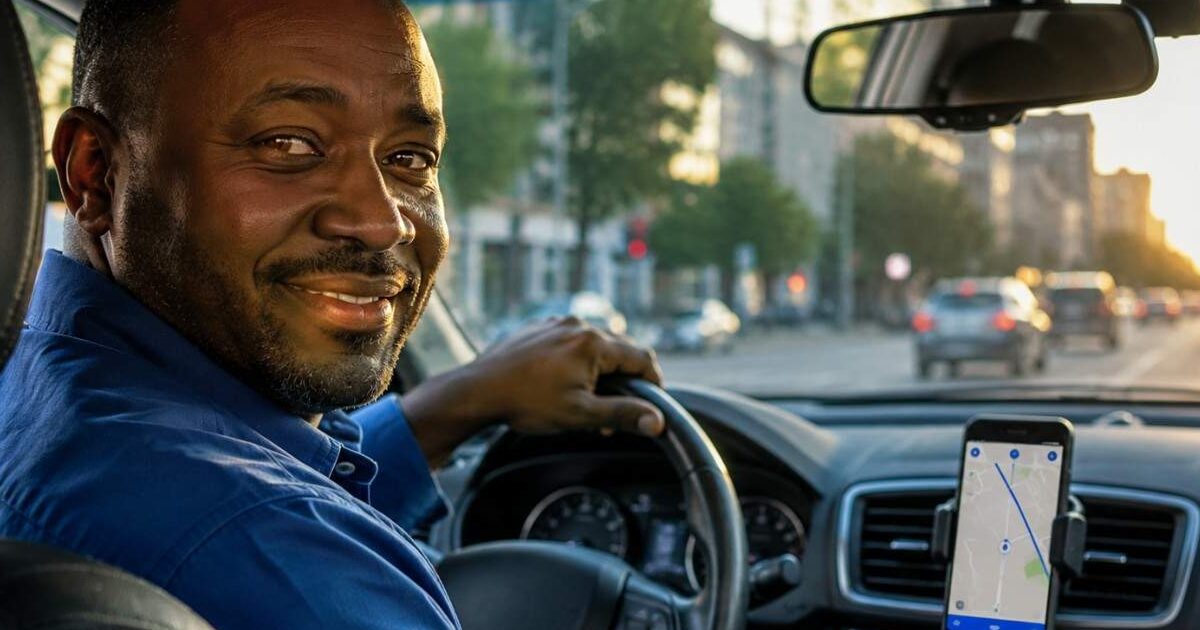
If you drive for Uber or Bolt, your car is not just a car anymore. It is the asset your income depends on. That changes what kind of insurance you actually need. Most personal car insurance policies in South Africa exclude commercial passenger carrying activities, which means the policy you have right now may not pay out if something goes wrong while you are working.
This guide explains what e-hailing insurance South Africa is, why a personal policy is not enough, what cover typically includes, what it costs, and how to get covered properly before your next trip.
Driving for Uber or Bolt without the right cover?
Get an e-hailing insurance quote and protect your income before your next trip.
What Is E-Hailing Insurance?
E-hailing insurance is specialist motor insurance built for drivers who use app-based ride platforms such as Uber and Bolt to carry paying passengers. It is sometimes called e-hailing driver insurance or commercial ride share cover.
Standard personal car insurance is set up and priced with the idea in mind that the car is used for private, non-income, basically non-earning activities. The moment you begin taking passengers for a fee, that whole assumption just does not really fit anymore. In South Africa, most personal policies are clear about excluding commercial use, even ride-hailing kind of trips. E-hailing insurance closes that gap with a policy, or a commercial use endorsement, designed around the actual risk of driving for reward.
Why Personal Car Insurance Is Not Enough for E-Hailing Drivers
This is the single most important thing to understand as an e-hailing driver. Standard, comprehensive, and third-party car insurance policies exclude commercial use. If you carry paying passengers under a personal policy and you need to claim, for example, after an accident, the insurer is entitled to repudiate the claim, meaning they can refuse to pay out, because the vehicle was being used outside the terms of the policy.
In practice, this means a driver who has been paying premiums for months or years can still be left with no payout at the exact moment they need it most, on top of having to cover the other party’s damages personally. This is the core financial risk that specialist e-hailing cover is designed to remove.
What E-Hailing Insurance South Africa Covers
Specialist e-hailing policies are built around the realities of ride-hailing work. Typical cover includes:
- Comprehensive vehicle cover. Collision, theft, fire, and hijacking.
- Third-party liability while carrying passengers. Covers damage or injury you cause to others while a fare is in progress.
- Passenger liability cover. Covers injury to the passenger in your vehicle.
- Loss of income or vehicle hire. Helps replace lost earnings or provides a hire vehicle while yours is being repaired.
- Legal costs. Covers legal defence costs if a claim is brought against you as the driver.
Cover typically applies during what insurers call the app-on period, meaning from the moment you go online and are waiting for a trip request, through to the end of the trip itself.
What is usually excluded: personal use incidents under a commercial-only policy, mechanical breakdown, and driver negligence that amounts to gross misconduct, such as driving under the influence. Always check your specific policy wording, since exclusions differ between insurers.
E-Hailing Insurance Requirements in South Africa
Both Uber and Bolt require drivers to keep a valid Professional Driving Permit (PDP), which is a legal requirement under the National Road Traffic Act for anyone who’s transporting passengers for reward. Insurers that offer e-hailing cover will usually want to view your PDP before they issue a policy, because driving without it can mess with both your platform registration and the validity of your insurance.
It is also worth being clear about your working status. E-hailing drivers are classified as independent contractors, not employees of Uber or Bolt. This means the platforms do not provide comprehensive insurance cover for your vehicle. Responsibility for arranging adequate cover sits with you as the driver, not with the platform.
E-Hailing Insurance Cost Factors
E-hailing insurance premiums are calculated individually, but the following factors consistently influence what you will pay:
- Vehicle make, model, and year
- Area of operation
- Driver age and licence history
- Whether the vehicle is financed
- Cover limits and add-ons selected
Because these factors vary so much from driver to driver, the most accurate way to know your premium is to request a quote based on your own details rather than relying on a generic number. For more on business insurance pricing generally, see our business insurance guide.
Want to know what you would actually pay?
Compare e-hailing insurance quotes based on your vehicle and driving profile.
Uber and Bolt Insurance: Platform Differences Explained
Most South African insurers offer a single e-hailing product that covers driving for either Uber or Bolt, rather than separate policies per platform. The type of cover you choose matters far more than which app you happen to be logged into.
Specialist e-hailing policies are generally platform agnostic. They cover income earned from any registered e-hailing application, so a policy will typically remain valid whether you drive exclusively for one platform, switch between Uber and Bolt, or work both at different times.
Passenger Liability Cover for E-Hailing Drivers
If a passenger gets injured while they are in your vehicle, then yes, you can be held personally liable for their hospital expenses and also for any damages that are granted against you, directly. The Road Accident Fund might still come in for certain road accident situations, but the reach is limited, and it doesn’t really take over or replace a full passenger liability cover.
Passenger liability cover specifically addresses this exposure, covering medical costs, compensation, and legal costs tied to passenger injury claims. It works alongside public liability insurance, which covers a broader range of third-party injury and property damage claims connected to your business activity.
How to Get E-Hailing Insurance in South Africa
- Confirm your vehicle qualifies: Check the make, year, roadworthy status, and that you hold a valid PDP.
- Gather your documents: ID, driver’s licence, PDP, vehicle registration, and Uber or Bolt registration confirmation.
- Compare specialist e-hailing insurance quotes: Use a comparison platform such as getbusinessinsurance.co.za to see multiple options at once.
- Check the policy wording: Confirm the commercial use endorsement is included and review any exclusions before you commit.
- Activate your cover: Make sure your policy is active before your next trip, not after.
Ready to drive with proper cover in place?
Get covered today and compare e-hailing insurance options from South African providers.
Frequently Asked Questions
Can I use my personal car insurance while driving for Uber or Bolt?
No. Standard personal car insurance policies in South Africa exclude commercial passenger carrying activities. If you drive for Uber or Bolt under a personal policy and make a claim, the insurer is entitled to repudiate it. A specialist e-hailing insurance policy with a commercial use endorsement is required.
Do I need a PDP to get e-hailing insurance in South Africa?
Yes. A valid Professional Driving Permit (PDP) is a legal requirement to carry passengers for reward under the National Road Traffic Act. Most insurers will also require proof of a valid PDP before issuing e-hailing cover. Without it, both the insurance and the e-hailing platform registration may be invalid.
Does e-hailing insurance cover me when I am not on a trip?
Most e-hailing policies show two kinds of cover, like app-on-cover, which kicks in while you’re just waiting for a trip request, and in-trip cover, which is active when a passenger is actually in the vehicle. A few policies also stretch comprehensive vehicle cover to personal use times, such as those off-hours between jobs. Still, you should read the exact policy wording to be sure about when the cover does and does not apply.
Is e-hailing insurance more expensive than regular car insurance?
E-hailing insurance premiums are generally higher than personal car insurance because the vehicle is used commercially and is on the road more frequently, increasing exposure to risk. However, the premium difference is typically far smaller than the financial risk of driving uninsured on a personal policy that will be repudiated on a commercial claim.
What happens if a passenger is injured in my vehicle and I do not have passenger liability cover?
The driver can end up personally on the hook for the passenger’s medical bills and also for any damages the court decides to award. Even though the Road Accident Fund might pay for a few injuries, its coverage is limited, and it will not take care of every kind of liability situation. So, without a proper passenger liability cover, one really serious injury claim could turn into a personal judgment debt, which then starts affecting the driver’s own personal assets.
Last reviewed: June 2026. This guide is reviewed periodically to reflect current South African insurance regulation, e-hailing platform requirements, and market practice. Insurance in South Africa is regulated by the Financial Sector Conduct Authority (FSCA) under the Insurance Act 18 of 2017.
For more on our full range of business cover, visit our business insurance guide. To learn more about who we are, visit our About page, or read our Privacy Policy for details on how your information is handled when you request a quote.




0 Comments