


If your business runs more than one vehicle, insuring each one separately quickly becomes a bit of a hassle. Different renewal dates, different bits of paperwork, different premiums to keep an eye on. Fleet insurance brings all of that under one policy, with one renewal date and one point of contact, while usually working out cheaper per vehicle than insuring each one on its own.
This guide covers what fleet insurance in South Africa is, how many vehicles you need to qualify, what it covers, what it costs, and how to get a quote that matches the way your business actually operates.
Running more than one business vehicle?
Get a fleet insurance quote and bring all your vehicles under one policy.
What Is Fleet Insurance?
Fleet insurance is a single commercial motor insurance policy that covers multiple business vehicles under one contract. Rather than holding separate policies, each with its own renewal date, excess, and paperwork, a fleet policy combines all your vehicles into one schedule with one renewal date and one premium structure.
This matters most for administration as much as cost. A business running ten delivery vans each on their own separate policies ends up juggling ten different renewals, ten different sets of paperwork, and quite a few possible failure points if even one of those policies lapses. With a fleet policy, it all gets folded into one single, more manageable setup, and usually the per-vehicle price comes down as the fleet size keeps increasing, smoothing out the whole situation.
Minimum Vehicle Requirements for Fleet Insurance South Africa
Most South African insurers seem to set the minimum at around two to three vehicles to be able to qualify for a fleet policy, even though some of them push it up to five, especially when it’s heavier commercial vehicles or if it involves a higher-risk kind of operation. The exact requirement really depends on the insurer itself, and also what sort of vehicle is being covered, because the type of vehicle makes a difference, and the rules aren’t exactly the same everywhere.
If your business operates only one or two vehicles, commercial vehicle insurance is usually the more practical route. You still get cover designed for business use, just without the fleet structure, until your vehicle count grows enough to make a fleet policy worthwhile.
What Fleet Insurance Covers
A typical fleet policy combines several types of cover into one schedule:
- Comprehensive cover: Collision, theft, hijacking, fire, and weather damage.
- Third-party liability: Covers damage or injury your vehicles cause to others.
- Goods in transit: An optional add-on for businesses that carry cargo or stock between locations.
- Business interruption: Covers lost revenue while a vehicle is off the road for repairs.
- Personal accident cover: Covers drivers in the event of injury while operating an insured vehicle.
- Any driver cover: Allows any authorised employee to drive any insured vehicle on the policy, rather than restricting cover to named drivers.
Typical exclusions: they include wear and tear, mechanical failure, driver negligence in certain situations, and overloading past the vehicle’s rated capacity. Still, always double-check the exact exclusions in your policy wording, because the list and wording can shift a bit from one insurer to another.
Want to see exactly what your fleet qualifies for?
See what your fleet can be covered for with a tailored breakdown of your cover options.
Vehicle Types Covered Under Fleet Insurance
Fleet policies are typically flexible enough to cover a mixed fleet under one schedule, including:
- Passenger vehicles: bakkies, sedans, and SUVs
- Light delivery vehicles and panel vans
- Trucks and heavy commercial vehicles
- Buses and minibuses
- Motorcycles, subject to the insurer’s specific policy terms
- Specialised equipment vehicles
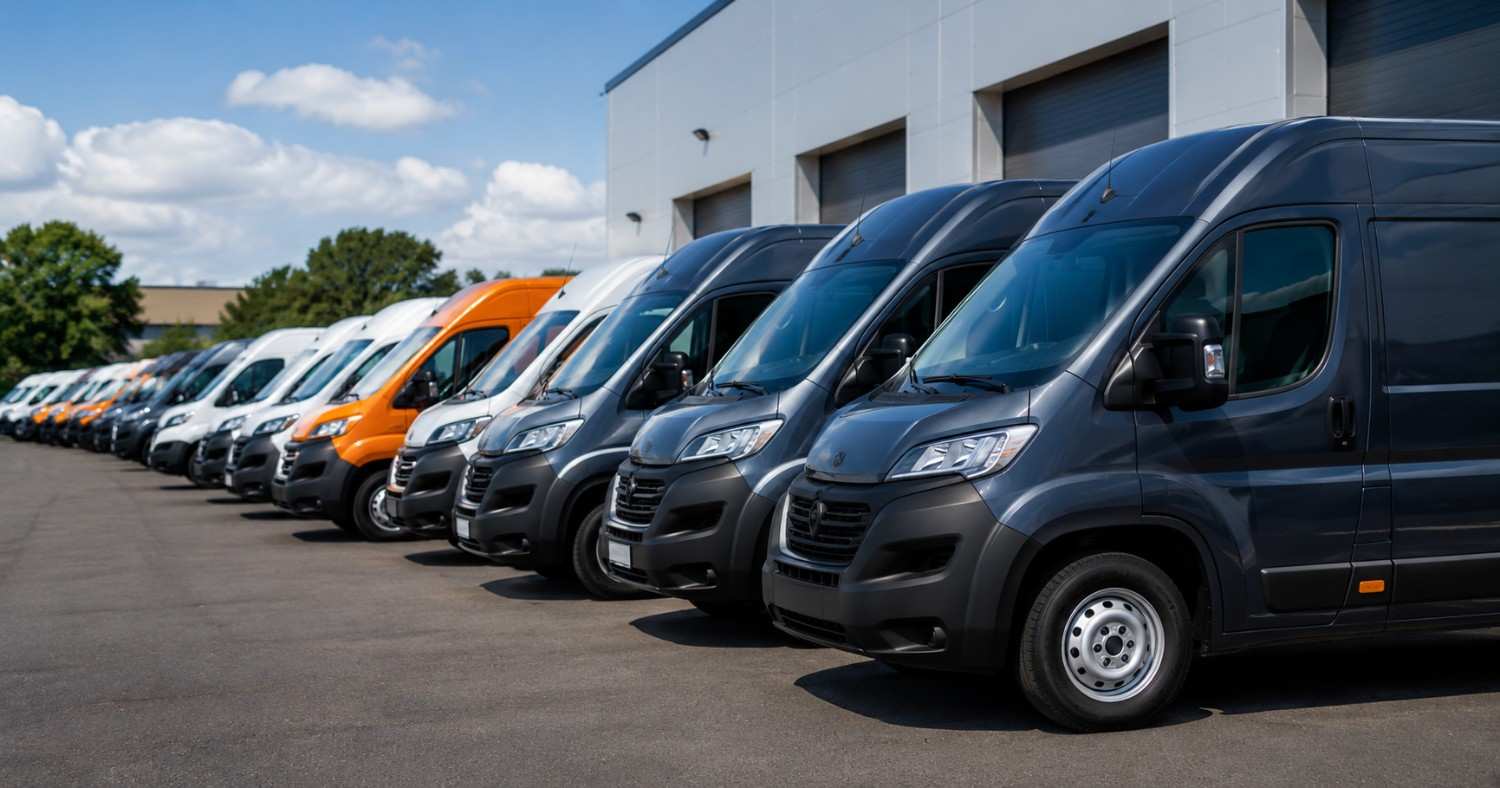
Fleet Insurance vs Individual Vehicle Insurance: A Comparison
The right choice depends mainly on how many vehicles your business runs and how much administrative simplicity matters to you.
- Cost: Fleet insurance usually comes with a lower cost per vehicle as the fleet keeps growing, because insurers look at the overall risk across the group, instead of underwriting each vehicle all on its own, one by one.
- Administration: One renewal date and one schedule for a fleet, versus multiple separate renewals and documents for individual policies.
- Flexibility: Any driver covered under a fleet policy lets staff move between vehicles freely, which individual named driver policies do not easily allow.
- Cover: Both approaches can offer comparable cover types. The difference is mostly structural rather than the scope of protection itself.
As a general guide, three or more vehicles usually make fleet insurance worth considering for the cost and administrative benefits. For one or two vehicles, individual commercial vehicle insurance is often more practical until your fleet grows.
Fleet Insurance Cost Factors
Fleet premiums are calculated individually for each business, but the following factors consistently shape the price:
- Number of vehicles in the fleet
- Vehicle values and replacement cost
- Driver profiles, including age and licence history
- Area of operation
- Claims history, both yours and the fleet’s
- Type of business use, for example, local delivery versus long-haul transport
- Overnight storage security, such as a fenced yard or tracked depot
Because fleet policies are almost always individually quoted based on the specific vehicles and drivers involved, the only reliable way to know your premium is to request a tailored fleet quote rather than relying on a generic estimate.
Ready to see what your fleet would actually cost?
Get a free fleet quote today based on your actual vehicles and drivers.
Industries That Benefit Most from Fleet Insurance
While any business with multiple vehicles can benefit, fleet insurance is especially common among:
- Logistics and courier companies
- Construction and engineering contractors
- Retail and FMCG delivery businesses
- Healthcare and pharmaceutical transport operators
- School transport operators
- Government and municipal vehicle fleets
How to Get a Fleet Insurance Quote in South Africa
- List all vehicles to be insured: Include the make, model, year and registration number for each one.
- Provide driver information: Names, licence classes and a driving history for each driver so that the insurer can verify everything properly.
- Specify your business use and area of operation: This will shape the risk profile insurers use to price your fleet.
- Indicate whether any driver cover is required: Decide if you need staff to move freely between vehicles or prefer named driver restrictions.
- Compare quotes from multiple commercial insurers: Use a platform such as getbusinessinsurance.co.za to compare fleet quotes side by side rather than approaching insurers individually.
Have your vehicle and driver details ready?
Get a fleet insurance quote and start comparing cover from South African commercial insurers.
Frequently Asked Questions
Is fleet insurance cheaper than insuring vehicles individually?
In most cases, yes, once a business has three or more vehicles. Insurers tend to sort fleet risk across the whole group, rather than underwriting each vehicle separately, so usually the cost per vehicle goes down versus individual policies. The exact savings depend on your specific vehicles, drivers and claims history.
Does fleet insurance cover any driver or only named drivers?
This depends on the policy you choose. Many fleet policies offer “any driver” cover as an option, so that any authorised employee can drive any insured vehicle, more or less. Other types of policies limit cover to specific named drivers, per vehicle, and that means it’s less flexible. So it’s worth checking which structure applies, because it affects cost and flexibility both.
Can a business with only two vehicles get fleet insurance?
It depends on the insurer. Most South African insurers set a minimum of two to three vehicles to qualify for a fleet policy, so two vehicles may be enough with some providers, while others require a higher minimum. If you do not yet meet an insurer’s threshold, commercial vehicle insurance is the practical alternative.
Does fleet insurance cover goods being transported in the vehicles?
Not automatically. Standard fleet insurance focuses on the vehicles themselves and third-party liability. Cover for cargo or stock being transported is usually arranged as a goods in transit add-on, which businesses that move stock or equipment between locations should specifically request.
Are truck and heavy vehicle fleets covered under standard fleet insurance?
Many insurers do cover trucks and heavy commercial vehicles under a fleet policy, but the requirements and pricing differ a bit from those for passenger vehicle fleets. Heavier vehicles often come with more risk plus greater value, so insurers may use other minimum vehicle thresholds or tack on extra underwriting needs. It’s best to confirm this straight with your insurer or broker when you’re arranging cover.
Last reviewed: June 2026. This guide is reviewed periodically to reflect current South African insurance regulation and commercial vehicle requirements under the National Road Traffic Act. Insurance in South Africa is regulated by the Financial Sector Conduct Authority (FSCA) under the Insurance Act 18 of 2017.
For more on our full range of business cover, visit our business insurance guide. To learn more about who we are, visit our About page, or read our Privacy Policy for details on how your information is handled when you request a quote.




0 Comments